Background
The company is a game design firm with over a decade of establishment. In addition to outsourcing game art resources, the company seeks market differentiation through digital game products. It creates value for clients by focusing on brand creativity, artistic expression, gaming experience, operational interaction, and visual communication, thereby enhancing the competitiveness of its products.
Challenges
The industry lacks mature SaaS solutions to support companies in achieving digital transformation. However, the long-term development and rapid scaling of businesses have made digital transformation a high-priority task. Since 2017, the company’s leadership has vigorously promoted information technology development, but 3 major issues have emerged during the process:
- Standardized software offers limited personalization and is difficult to customize, failing to meet the needs of rapid business growth in terms of cost and efficiency.
- Externally procured software systems operate in isolation from one another, with data unable to interconnect, forcing employees to resort to document-based data transfer.
- There is a lack of a real-time and accurate dashboard for business data.
Value
- Rapid deployment of business systems with costs significantly lower than traditional SaaS customization.
- Highly flexible systems with a high degree of customization, capable of quickly adapting to changing requirements.
- Supports mobile office, with the ability to integrate enterprise IM as needed.
- All process data is digitized, standardized, mitigating risks while enabling the creation of a data dashboard for a clear overview of business status.
Core Applications Scenarios
Order Management
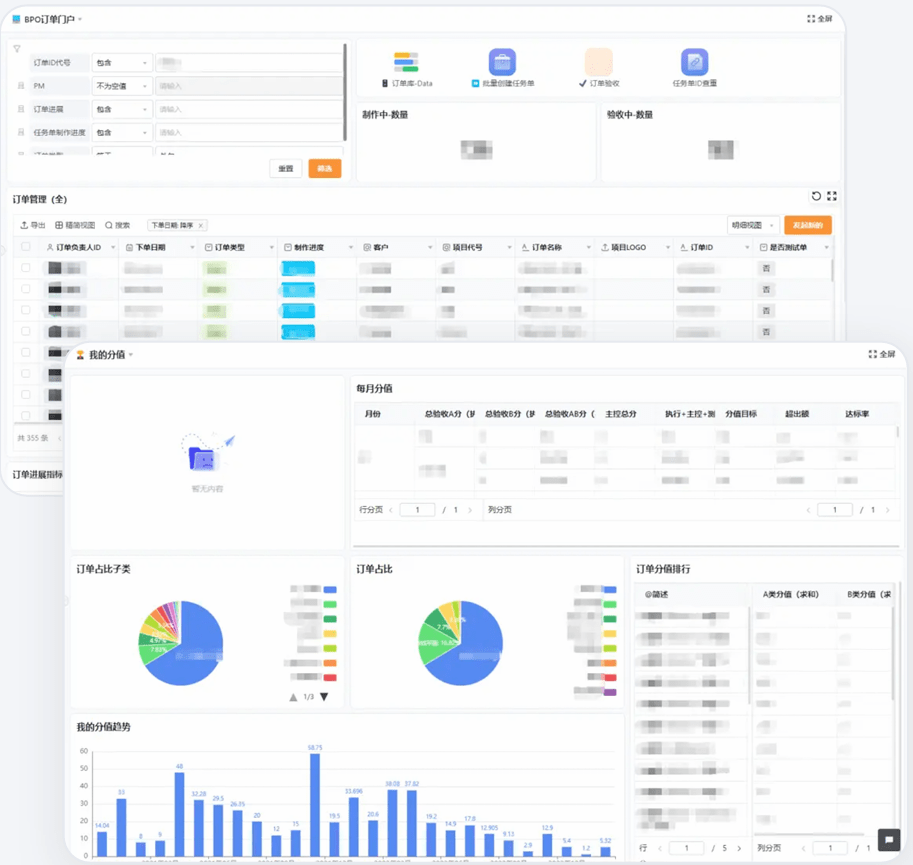
The Order Management System is the first and most critical business segment implemented by the company. Each order manages data within the CRM system. Previously, every order required manual evaluation one by one. Now, orders flow through the system, and when a business opportunity converts into an order, each order is broken down into several task orders. The order data primarily displays customer information and project details, while the task orders show the actual work tasks assigned to each designer.
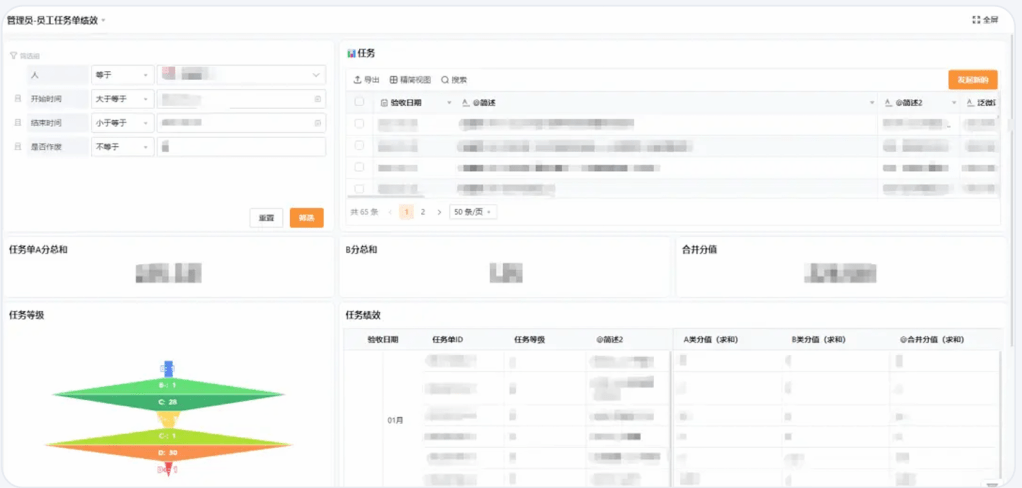
Task orders are linked to the performance system, providing data support for employee performance collection.
Additionally, the order system data is connected to the settlement system. After an order is completed, the business department will apply for the corresponding invoice based on the order, and the finance department will issue the invoice and register the remittance according to the invoice request.
Invoicing Management
After each order payment, financial invoicing is required. In practice, there may be a one-to-many or many-to-one relationship between orders, invoice requests, and invoices. After invoicing, payment registration is also necessary.
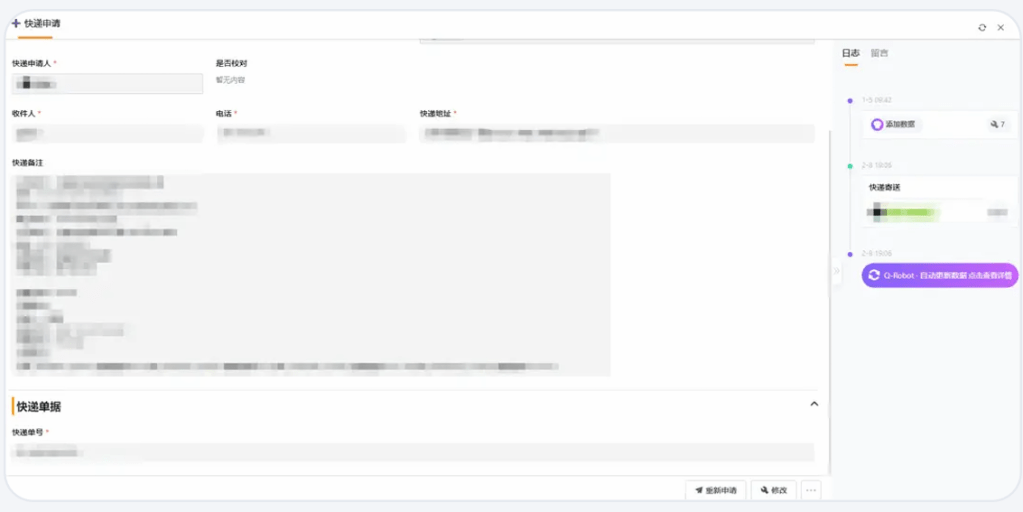
This system includes a customer database and a supplier database. A single customer can have multiple payment accounts. When issuing an invoice, the finance team only needs to enter the customer information without repeatedly recording invoicing details.
Once the finance team completes invoicing, they can enter the customer’s mailing address online. The system will then generate a delivery order and forward it to the administrative staff. The task will only be closed after the administrative team sends the invoice, scans the tracking number, and updates the system.

Contract Management
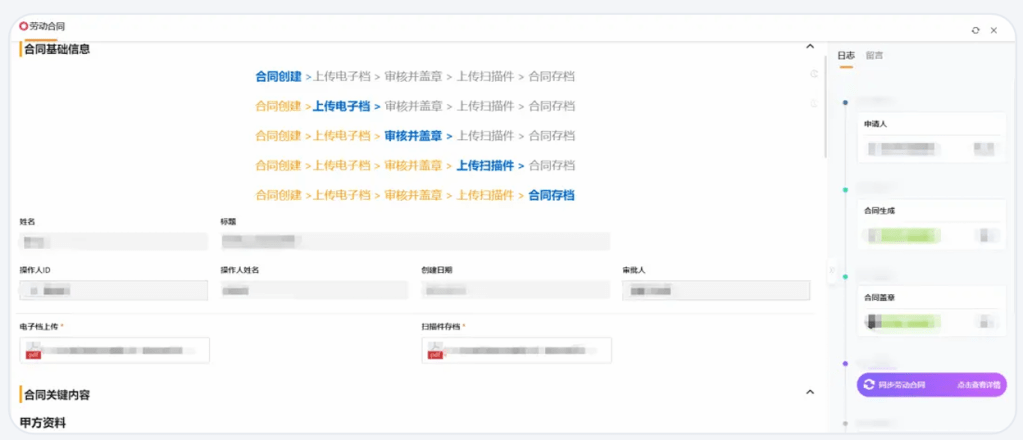
In the past, customer contracts had to be printed and mailed, taking several business days to complete the entire signing process.
Now, both parties can sign electronic contracts directly, completing the entire contract signing process online within a single day, accelerating business growth.
Assets Management
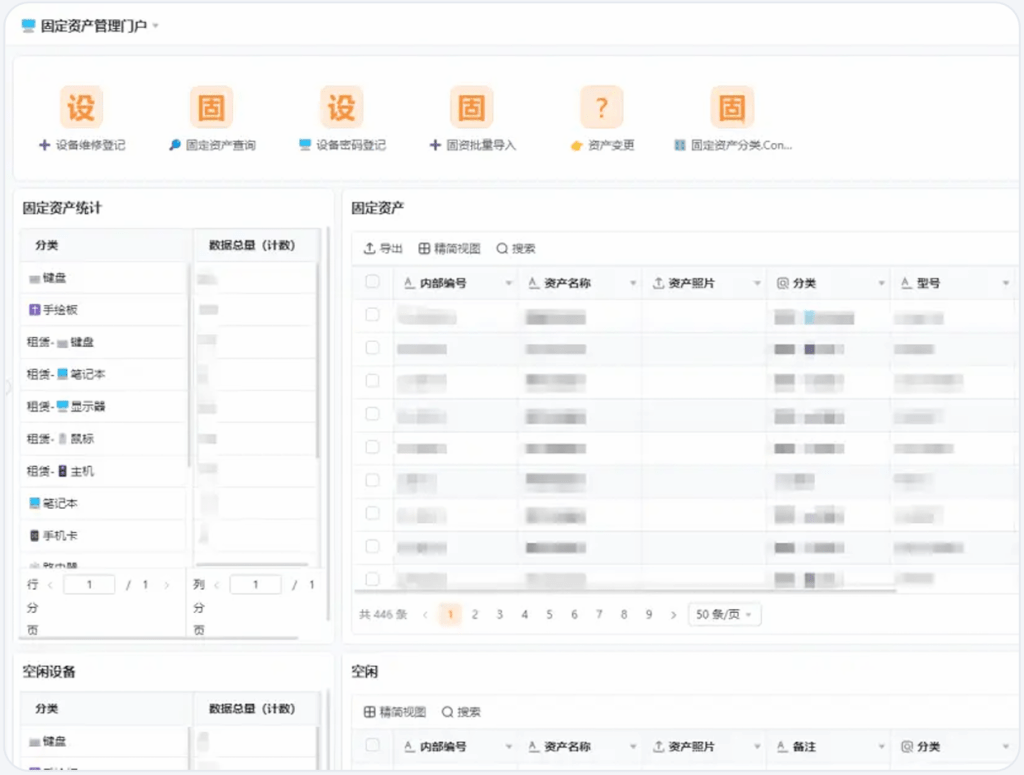
As the company expands and the number of devices increases, IT management has become increasingly complex. To better manage and optimize the company’s asset inventory, we have developed a customized asset management system. This system tracks device ownership, maintenance status, and idle equipment, enabling the IT team to manage assets more efficiently and optimize costs.
Employee File Management
Due to the company’s strong growth prospects, new employees are joining almost every week. To manage the continuous updates of HR data, we have implemented an online employee file management system. This system covers the entire process—from recruitment and offer letters to post-hire employee records, including HR contracts, payroll and performance, cost classification, salary statements, labor contracts, certification issuance, and resignation settlements—enabling true paperless HR management.
Now, offer letters can be initiated directly through the system and automatically sent to the new employee’s email. The new employee can complete their onboarding records via the attached link, and once submitted, HR will receive and update their personnel file. Onboarding is now seamless, eliminating cumbersome procedures and allowing new hires to start work quickly on their first day.

Payroll and Performance Management
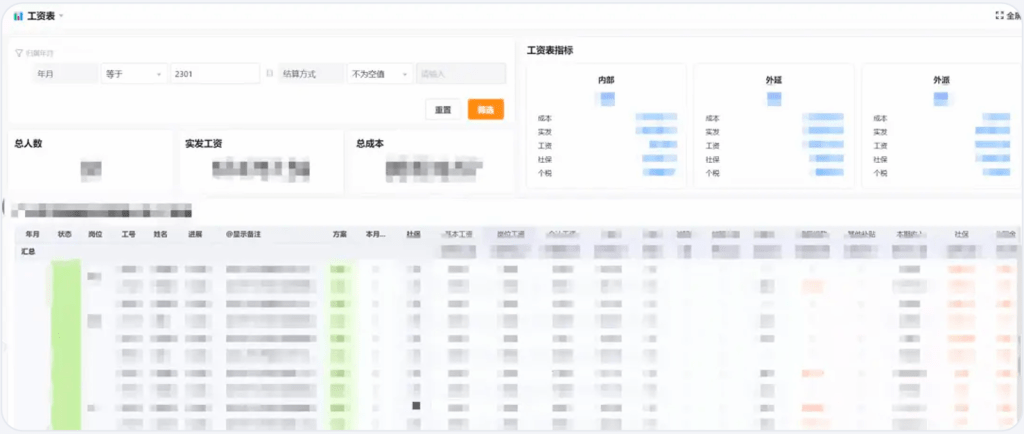
Employee payroll and performance management, also known as cost classification, is handled through the system’s order-task management feature. Managers can categorize each employee’s task types, link them to salary information, and conduct detailed statistical analysis.
Additionally, the system provides a data dashboard that visualizes salary details across multiple departments. It presents key metrics such as task progress, payroll costs, business revenue, and individual productivity ratios, enabling better decision-making and cost optimization.
Training Management
The company provides a series of training courses for employees, which are also part of their performance goals.
To enhance training management, the company has developed various functional modules based on business needs. These modules enable efficient trainee management, allowing administrators to quickly assess the current status and identify potential issues.

 DIGITURBO